

In every biography, at least two people are involved. First, obviously, the individual who is the subject of the book, the person whose life we are about to enter.
Still Point of the Turning World
But second—almost as important—is the biographer. Who is writing this book? What beliefs, motivations, and biases do they bring into it? And to what extent does their own construction of ideas and events help us understand another person’s existence, rather than obscure it?
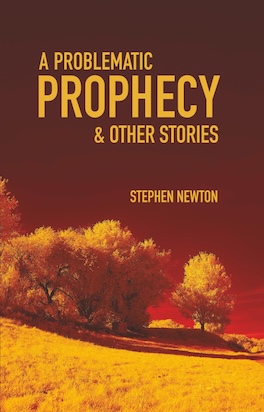
Stephen Newton’s storytelling is like a guide that acquaints readers with what they will soon read in this collection of fifteen fictional stories inspired by the author’s “random, unexplained events I have experienced that have haunted me for decades.”
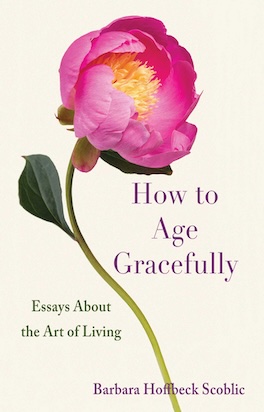
I ran up against my ignorance when as an undergraduate student I enrolled in Philosophy 101, read a sentence in my first assignment, and said to myself, "I know the meaning of that word and that word and that word, but in this sentence, all three of those words are in a row, and I have no idea what they mean when they're in a row." After a bit, I realized that I didn't know what those three words really meant. I had the same realization when I read the words "age gracefully" in the title of Scoblic's book.
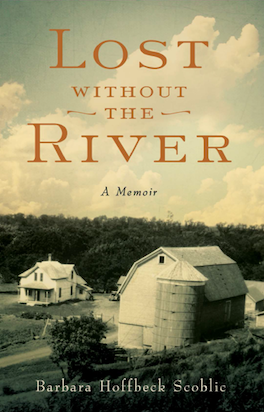
Lost Without the River: A Memoir by Barbara Hoffbeck Scoblic. Published by She Writes Press. Barbara Hoffbeck grew up during the Great Depression on a small dairy farm outside Big…
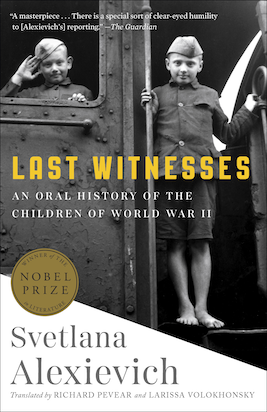
Current events sometimes justify reviewing a book published years ago, especially if the book helps readers better understand their world today. Last Witnesses: An Oral History of the Children of World War II by Nobel Laureate Svetlana Alexievich is such a book.
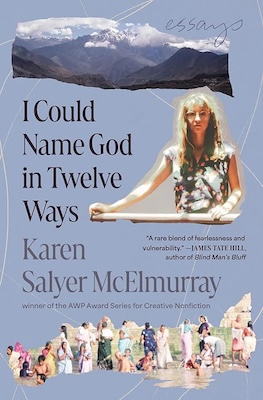
At one point early in her new book of essays, I Could Name God in Twelve Ways, Karen Salyer McElmurray writes, “With memoir, we become accountable.” Later, she wants to…
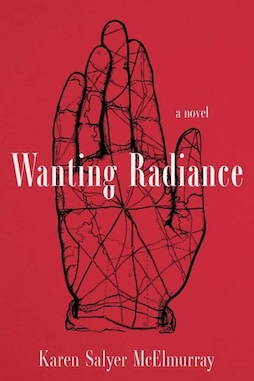
Set in the backdrop of the Appalachian landscape, Karen Salyer McElmurray’s novel, Wanting Radiance, is the extraordinary story of one woman's heroic quest to unravel the dark mysteries of her origins.
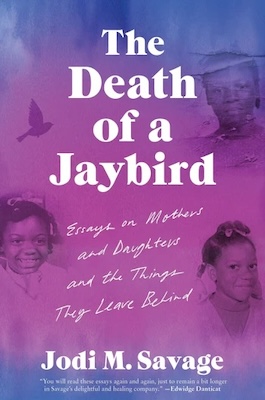
Across cultural heritage, certain kinds of courage endure. One of them is at the core of Jodi M. Savage’s collection.
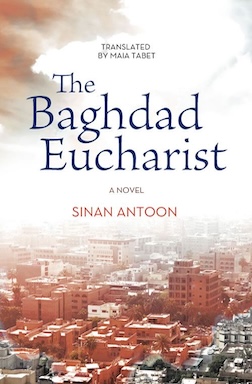
Iraqi novelist and poet Sinan Antoon's The Baghdad Eucharist is an unforgettable novel of memory, loss, love and diaspora. Shortlisted for the International Prize for Arabic Fiction in 2013.
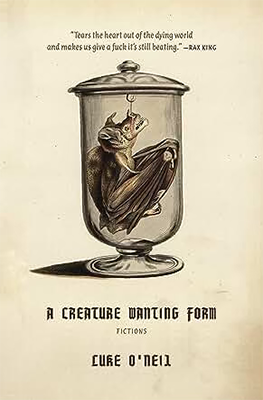
Geoffrey Dutton reviews this transfixing collection of "fictions" by Luke O’Neil that features animals large and small, perhaps the least interesting of which are Homo sapiens.