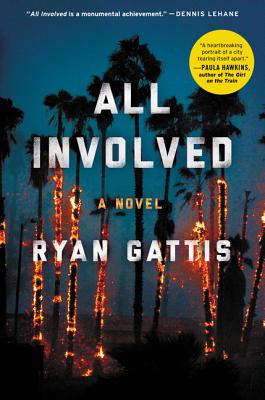
When Jeffrey Phillips, a poor teenager in Chicago, shoots and kills a man in a carjacking gone sideways, Sandra Yanders, a teen witness from “the other side of the tracks,”…
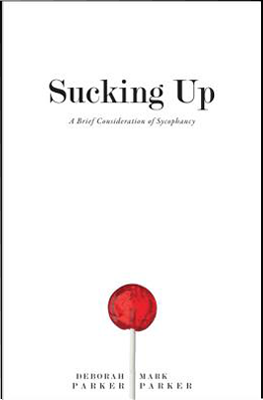
Sycophancy (ˈsikəˌfan(t)sē) is the phenomenon known to most of us by alternative words or phrases such as sucking up, ass kissing, brown nosing, and bootlicking—words and terms that give sycophancy…
“There are memories for which we can live more than a life time.” —Brother of Rana Abdulfattah Photographs over the past several years have shown migrants and refugees crossing the…
There is a short poem of seven lines in The Scent Of My Skin: From Libya, London and every world I live in that embodies the metaphorical and literal edifice…
As the son of a WW II veteran who fought in the Battle of the Bulge, I grew up hearing stories from my Dad about his personal experiences in the war. I picked up Volker Ullrich's Hitler: Ascent, 1889–1939 because I wanted to know more about Hitler the man: his roots, his formative years, his path to Führer, the choices he made along that path. "If anything, he will emerge as even more horrific."
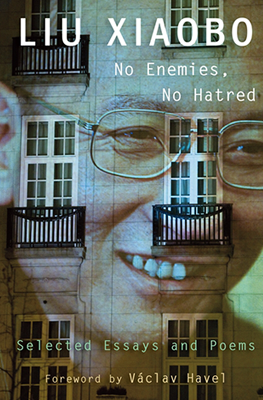
Liu Xiaobo is the author of hundreds of essays and seventeen books. Most of the essays in No Enemies, No Hatred are from the period between 2004 and 2008, and reflect, in the service of freedom of speech, how words followed by action can change the direction of a country.
I just finished reading James Jones’ Whistle, the final novel of his World War II trilogy. A couple of months ago, I read the second in the trilogy The Thin…
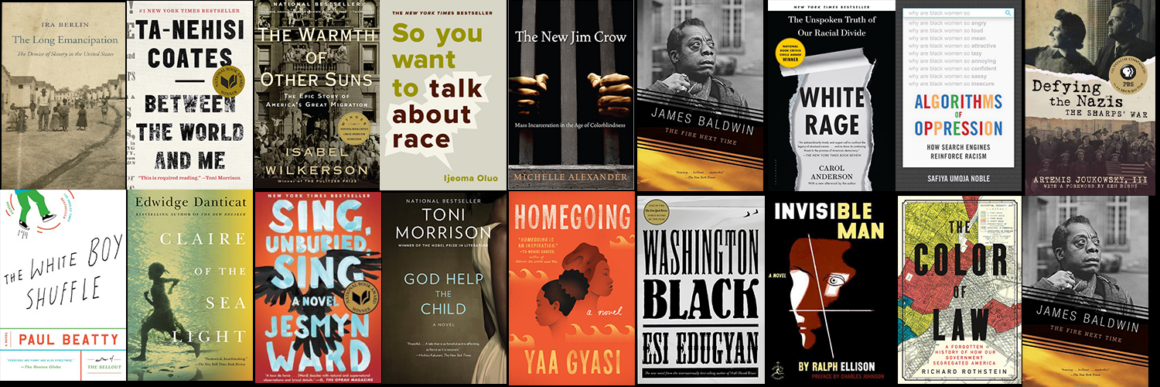
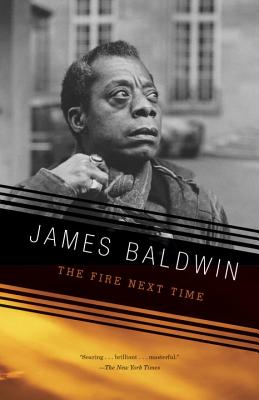
The Fire Next Time by James Baldwin was first published in 1963 during the emerging Civil Rights Movement and was an instant best seller. A brilliant social critic, public intellectual, and interpreter of racial myths and beliefs, Baldwin captured the zeitgeist of a country riven by race. Without prejudice or fear, he deconstructed the institution of racism in America.